
Common Mistakes When Ordering Custom Screen Printing and Embroidery in Oklahoma
Custom apparel is a powerful tool for branding, team unity, and event promotion, yet the production process is fraught with logistical pitfalls. According to industry data, nearly 40% of custom apparel orders experience delays or quality issues due to poor initial planning and communication gaps between clients and printers. This statistic highlights why understanding the technical requirements of screen printing and embroidery is critical for any organization in Oklahoma looking to launch a successful campaign. Whether you are a local business, a tribal organization, or a school group, avoiding these common errors ensures your final product matches your vision without breaking the bank or your timeline.
The Artwork Preparation Trap
One of the most frequent errors clients make is submitting low-resolution digital files directly to the printer. Screen printing requires vector-based artwork, typically in formats like .AI, .EPS, or .PDF, to ensure clean lines and accurate color separation. When a client provides a pixelated JPEG or PNG, the printer must manually trace the image, which often leads to loss of detail and increased labor costs. This is especially problematic for complex logos with gradients or fine text, which do not reproduce well in screen printing.
Embroidery presents a different set of challenges. Digitizing a logo for embroidery is a technical process that converts vector art into stitch paths. If the original artwork is too intricate, the digitizer may need to simplify the design, which can alter the brand's appearance. To avoid this, always provide high-contrast, scalable vector files. If you do not have these, many professional printers, including Skyy Screen Printing, offer in-house design services to help you prepare your artwork correctly from the start.
Ignoring Fabric Composition and Fit
Another critical mistake is selecting apparel based solely on price without considering the fabric's performance. The choice between cotton, polyester, and blends significantly impacts the final print quality. For screen printing, 100% cotton is often preferred for its absorbency and soft hand feel, while polyester blends are better for moisture-wicking applications like sports teams. However, printing on dark garments requires a white underbase, which can make the print feel thicker and less breathable.
Embroidery, on the other hand, works best on stable fabrics like cotton or heavy blends. Lightweight or stretchy fabrics can pucker or distort during the embroidery process, leading to a subpar finish. Clients often overlook the importance of garment fit and style. Ordering a standard crew neck when a polo or performance tee is needed can result in a product that does not meet the end-user's expectations. Always request samples or consult with your printer to choose the right blank for your specific use case.
The Color Matching Misconception
Expecting exact Pantone color matches between digital proofs and the final printed product is a common source of disappointment. Screen printing uses spot colors or process colors that interact with the fabric dye in unique ways. A color that looks vibrant on a computer screen may appear muted on a heather gray shirt due to the underlying fabric color showing through. This is a physical limitation of the printing process, not a printing error.
Embroidery threads also have a different sheen and texture than ink, which affects how colors are perceived. A red thread may look brighter than a red ink spot due to the light reflection off the thread. To manage expectations, always request a physical proof or a sample shirt before approving a large bulk order. This allows you to see how the colors interact with the specific garment you have chosen. Understanding these nuances helps prevent costly reprints and ensures brand consistency.
Underestimating Embroidery Constraints
Many clients assume that any logo can be embroidered without modification. However, embroidery has strict technical limitations regarding stitch density, minimum letter height, and detail resolution. Small text or intricate details may become illegible or break during the embroidery process. For example, letters smaller than 0.25 inches often require special digitizing techniques that can increase costs and production time.
Additionally, the placement of embroidery is critical. Placing a large logo on a small garment can overwhelm the design, while placing it too close to seams can cause distortion. It is essential to work with an experienced digitizer who understands these constraints. They can advise on design modifications that maintain the integrity of the logo while ensuring a high-quality finish. This proactive approach saves time and ensures that the final product is durable and visually appealing.
The Timeline and Rush Order Risk
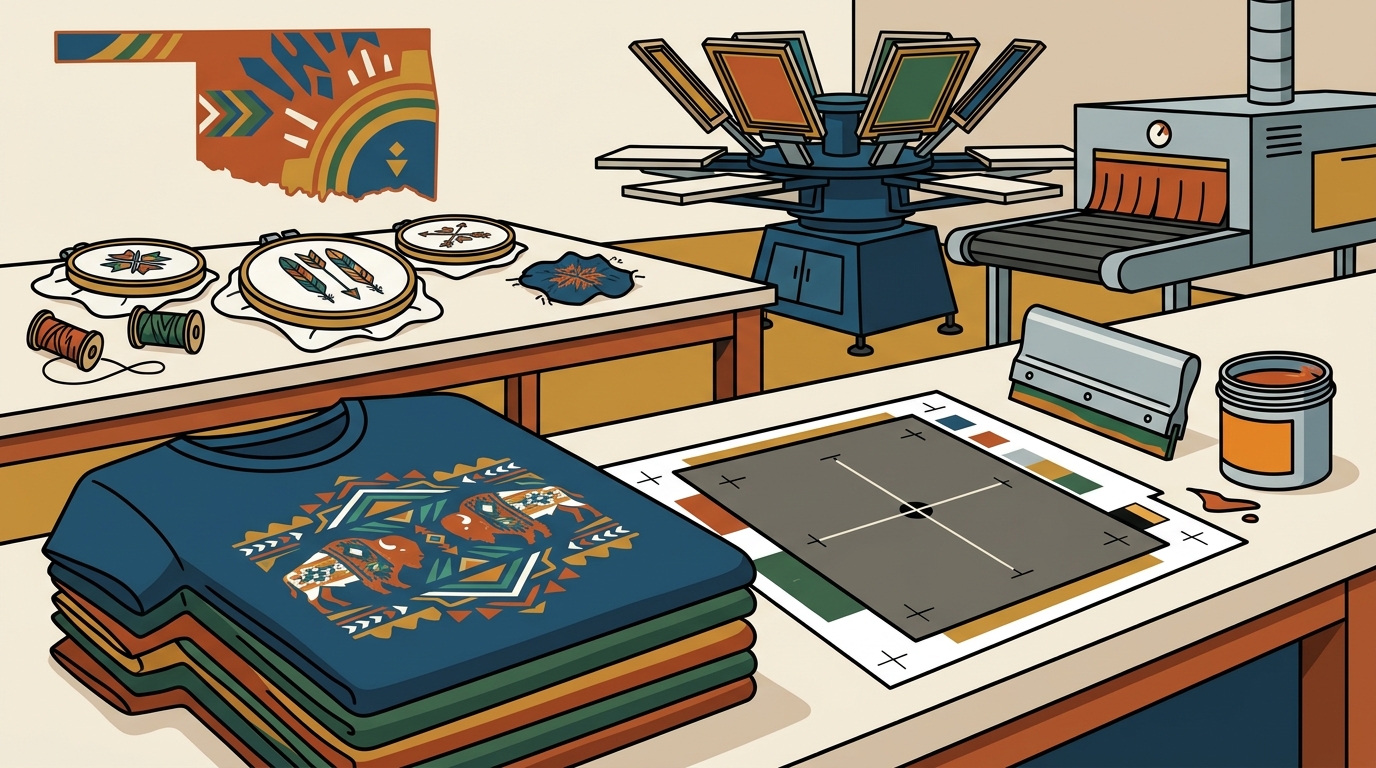
Underestimating production time is perhaps the most stressful mistake for clients. Screen printing and embroidery are labor-intensive processes that involve multiple steps: artwork setup, color separation, screen burning, printing, curing, and quality control. Rush orders often incur significant surcharges and carry a higher risk of errors due to compressed timelines. Furthermore, shipping delays can occur if the order is not accounted for in the production schedule.
For large bulk orders, it is advisable to plan at least two to three weeks in advance. This allows for proper production scheduling and quality checks. If you have a tight deadline, communicate this early with your printer. Some companies, like Skyy Screen Printing, specialize in fast turnaround times for events and businesses, but even they require adequate notice to guarantee delivery. Always build in a buffer for unexpected delays to avoid last-minute panic.
Choosing a Vendor Without Verification
Not all printing vendors are created equal. Some may outsource production to third-party facilities, leading to inconsistent quality and communication gaps. It is crucial to choose a vendor that offers in-house production and has a proven track record of reliability. Look for vendors with strong customer reviews and a history of serving similar clients in your industry.
Additionally, consider the vendor's location and shipping policies. While online vendors may offer lower prices, they may not provide the personalized service and quick turnaround that local or regional printers can offer. A vendor like Skyy Screen Printing, which is Native American-owned and based in Oklahoma, offers free shipping across the contiguous United States, combining local expertise with national reach. This ensures that you receive high-quality products with reliable customer support.
Comparison of Printing Methods
| Feature | Screen Printing | Embroidery |
|---|---|---|
| Best For | Large quantities, vibrant colors, detailed graphics | Professional branding, logos, durability |
| Cost Efficiency | Lower cost per unit at high volumes | Higher initial setup, consistent per-unit cost |
| Fabric Compatibility | Cotton, polyester, blends | Cotton, heavy blends, caps, hats |
| Turnaround Time | 5-10 business days standard | 7-14 business days standard |
Key Takeaways
- Always provide vector-based artwork to ensure high-quality screen printing results.
- Understand the limitations of embroidery, such as minimum letter height and stitch density.
- Request physical proofs to verify color accuracy and garment fit before bulk production.
- Plan your timeline carefully, allowing at least two to three weeks for standard orders.
- Choose a vendor with in-house production capabilities for better quality control.
- Consider the fabric composition and its impact on print or embroidery durability.
- Verify the vendor's shipping policies and turnaround times to avoid delays.
Frequently Asked Questions
What is the minimum order quantity for screen printing?
Screen printing typically has a minimum order quantity, often around 12 to 24 pieces, due to the setup costs involved in creating screens for each color. However, some printers may accommodate smaller runs with digital printing alternatives.
How long does custom screen printing take?
Standard turnaround time for custom screen printing is usually 5 to 10 business days, depending on the complexity of the design and the quantity of the order. Rush services may be available for an additional fee.
Can I get a sample before placing a bulk order?
Yes, most reputable printers offer sample shirts or proofs before starting bulk production. This allows you to verify the quality, color, and fit of the final product.
What is the difference between screen printing and embroidery?
Screen printing involves pushing ink through a mesh screen onto the fabric, while embroidery uses thread to stitch a design onto the garment. Screen printing is generally more cost-effective for large quantities and vibrant colors, while embroidery offers a premium, durable finish.
Do you offer free shipping?
Many printers, including Skyy Screen Printing, offer free shipping across the contiguous United States for bulk orders, making it easier to receive your custom apparel without additional logistics costs.
How do I choose the right garment for my project?
Consider the intended use of the garment. For sports teams, moisture-wicking polyester blends are ideal. For casual events, 100% cotton offers comfort and a classic look. Consult with your printer for recommendations based on your specific needs.
What if I need my order quickly?
If you have a tight deadline, communicate this with your printer immediately. Some companies offer rush services, but these may incur additional fees and require simplified designs to meet the timeline.
Ready to Start Your Project?
Avoiding these common mistakes ensures a smooth and successful custom apparel experience. Whether you need bulk t-shirts for a corporate event, embroidered polos for your team, or custom designs for a community gathering, working with an experienced partner is key. Skyy Screen Printing offers expert guidance, high-quality production, and reliable service to bring your vision to life. Request a free quote today and take the first step toward your next successful project.