
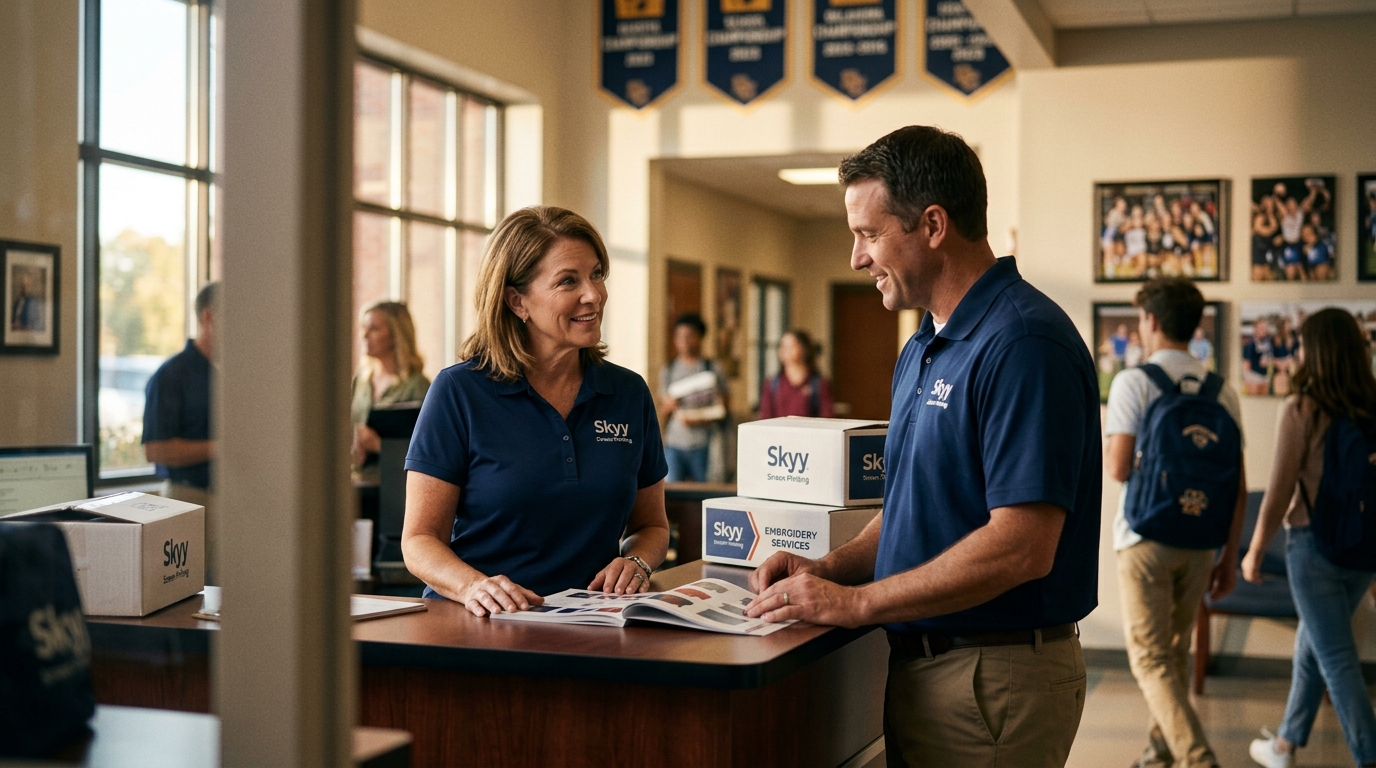
Schools across Oklahoma are increasingly turning to professional embroidery to build lasting brand identity and student pride. According to recent industry data, embroidered apparel retains its professional appearance significantly longer than printed alternatives, making it the preferred choice for athletic teams and administrative staff. This shift reflects a broader trend where educational institutions prioritize durability and prestige in their uniform and merchandise programs. Finding a reliable partner who understands the unique logistical needs of schools is the first step toward a successful rollout. (About Skyy Screen Printing)
Understanding the Benefits of School Embroidery
Embroidery is not merely a decorative choice; it is a strategic investment in your school's visual identity. Unlike screen printing, which lays ink on the surface of the fabric, embroidery uses thread to create a textured, three-dimensional logo. This distinction offers several critical advantages for educational environments.
Durability is the primary advantage. Embroidered logos withstand hundreds of wash cycles without fading, cracking, or peeling. This is essential for school uniforms that are worn daily and washed frequently by families. The longevity of the garment reduces the need for frequent replacements, offering long-term cost savings for parents and districts alike.
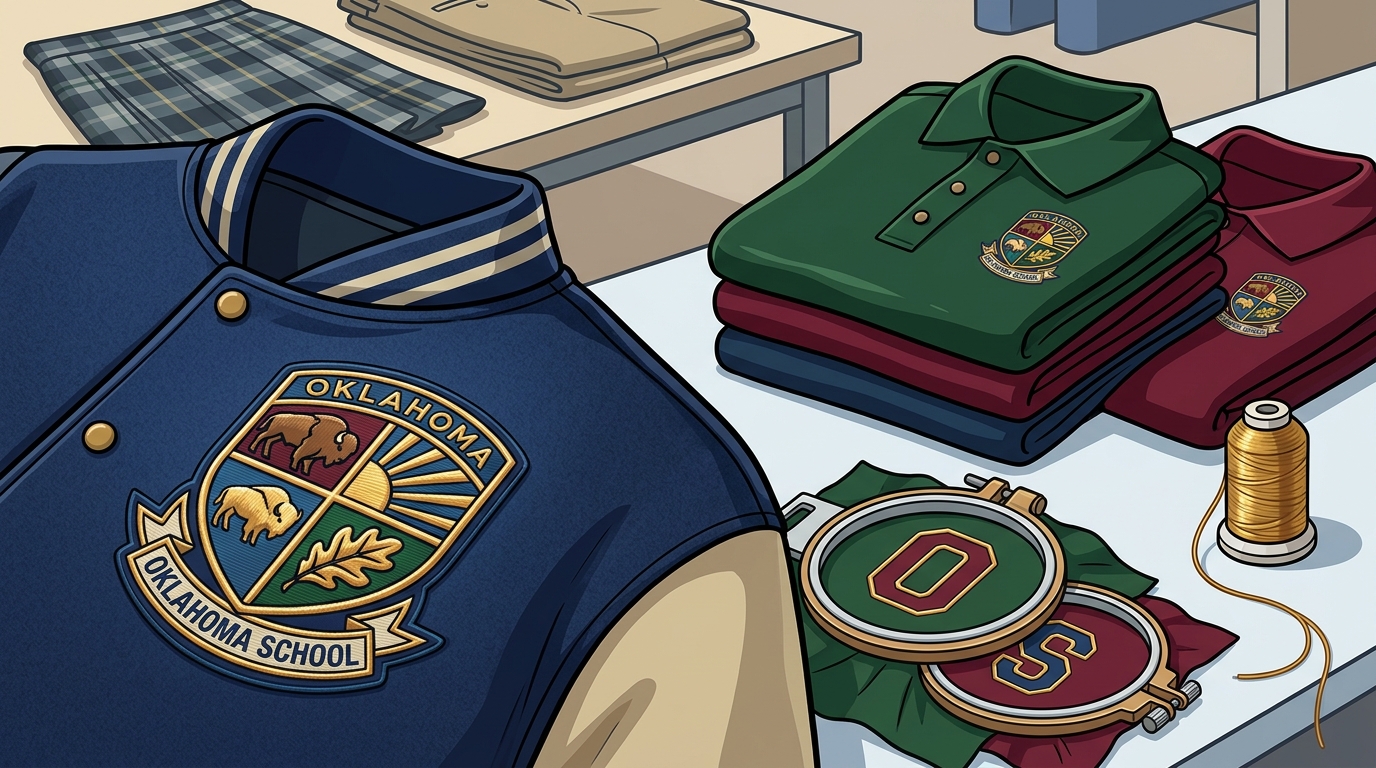
Furthermore, embroidery conveys a sense of prestige and professionalism. The raised texture of the thread catches light and adds depth to the design, making logos appear more substantial and high-quality. This is particularly important for athletic teams, where the uniform is a symbol of school spirit and competitive pride. When students wear embroidered polos or jackets, they are wearing a badge of honor that signifies membership in a distinguished community.
Another significant benefit is the versatility of application. Embroidery works exceptionally well on a variety of garments, including polo shirts, caps, jackets, and bags. This allows schools to create cohesive merchandise lines that can be used for different seasons and events. For example, a school might use embroidered caps for summer sports and embroidered jackets for winter athletic events, maintaining brand consistency throughout the year.
Choosing the Right Partner for Your District
Selecting an embroidery provider requires careful consideration of several factors. Schools need a partner who can handle large volumes, meet tight deadlines, and maintain consistent quality across thousands of units. The provider must also understand the specific needs of educational institutions, such as budget constraints and approval processes.
Experience with educational clients is crucial. A provider who has worked with schools before will understand the nuances of ordering for large groups. They will know how to manage size runs, handle multiple design files, and coordinate delivery schedules that align with the academic calendar. This experience translates to smoother communication and fewer errors during the production process.
Additionally, look for a provider that offers comprehensive support services. This includes in-house design assistance, which can be invaluable for schools that do not have dedicated graphic designers. A good partner will help refine logos, ensure proper digitization for embroidery, and provide proofs before production begins. This collaborative approach ensures that the final product meets the school's expectations and brand guidelines.
Transparency in pricing and turnaround times is also essential. Schools often operate on tight budgets and strict timelines. A reliable provider will offer clear, upfront pricing with no hidden fees and realistic delivery estimates. They should also be flexible enough to accommodate rush orders when necessary, such as for last-minute team photos or special events.
The Design Process: From Concept to Stitch
The journey from a rough idea to a finished embroidered product involves several key steps. Understanding this process helps school administrators and staff manage expectations and ensure a smooth workflow.
Digitization is the foundation of quality embroidery. This is the process of converting a logo or design into a digital file that an embroidery machine can read. The digitizer must carefully consider the complexity of the design, the type of fabric, and the desired finish. Poor digitization can result in thread breaks, puckering, or loss of detail. Therefore, it is vital to work with a provider that employs skilled digitizers who understand the technical aspects of the craft.
Once the design is digitized, the provider will create a digital proof for approval. This proof allows the school to review the placement, color, and size of the logo before production begins. It is important to scrutinize this proof carefully, as any changes after production starts can incur additional costs and delays. The provider should be responsive to feedback and willing to make adjustments until the design is perfect.
After approval, the production phase begins. The provider will source the appropriate garments and begin the embroidery process. During this time, regular updates on production status can help keep the school informed. Upon completion, the garments are inspected for quality control before being packaged and shipped. A reputable provider will ensure that every item meets their high standards before it leaves their facility.
Pricing Models and Logistics for Bulk Orders
Pricing for school embroidery can vary based on several factors, including the number of colors in the design, the complexity of the logo, the type of garment, and the quantity ordered. Understanding these variables helps schools budget effectively and make informed decisions.
Bulk discounts are common in the industry. Most providers offer tiered pricing that decreases as the order quantity increases. This is beneficial for schools that need to outfit entire teams or classes. For example, ordering 100 polo shirts will typically cost less per unit than ordering 20. Schools should request detailed quotes that break down the costs for digitization, setup, and per-unit pricing to compare options accurately.
Logistics play a significant role in the overall cost and timeline. Shipping costs can add up, especially for large orders. Some providers offer free shipping on orders over a certain threshold, which can help reduce the total cost. Additionally, the location of the provider relative to the school can impact delivery times and costs. A local provider in Norman, Oklahoma, for instance, can offer faster turnaround times and potentially lower shipping costs for Oklahoma-based schools.
Turnaround times are another critical logistical consideration. Standard production times typically range from 7 to 10 business days. However, schools often have tight deadlines for events, sports seasons, or the start of the academic year. Providers that offer rush services can accommodate these needs, though they may come with an additional fee. Planning ahead and placing orders well in advance is the best way to avoid rush charges and ensure timely delivery.
Frequently Asked Questions
What is the minimum order quantity for school embroidery?
Many providers offer low minimum order quantities to accommodate smaller groups or specific needs. Some companies have a minimum of 12 items, while others may require more for certain types of embroidery. It is important to check with your provider for their specific policies.
How long does the embroidery process take?
Standard turnaround times are typically 7 to 10 business days from the approval of the design proof. Rush services are often available for urgent orders, which can reduce the timeline to a few days depending on the provider's capacity.
Can you help with the design if we don't have a logo?
Yes, many providers offer in-house design services. Their graphic designers can create custom logos or modify existing ones to ensure they are suitable for embroidery. This service is often included in the quote or available for a small fee.
What types of garments can be embroidered?
Almost any garment can be embroidered, including polo shirts, t-shirts, hoodies, jackets, caps, and bags. The provider will advise on the best garment options based on your budget and intended use.
How do I care for embroidered garments?
Embroidered garments should be washed inside out in cold water and tumble dried on low heat. Avoid ironing directly over the embroidery to prevent damage to the threads. Proper care will extend the life of the embroidery and keep it looking new.
Are there discounts for large orders?
Yes, most providers offer volume discounts. The per-unit cost decreases as the quantity increases. Schools should request a detailed quote that includes any applicable discounts to get the best price.
Do you offer free shipping?
Some providers offer free standard shipping on orders over a certain amount or to specific regions. It is important to ask about shipping policies when requesting a quote to understand the total cost of the order.
Ready to Elevate Your School's Brand?
Investing in high-quality custom embroidery is a powerful way to build school spirit and professional identity. By choosing a partner with experience in the educational sector, you ensure a smooth process from design to delivery. Request a free quote today to discuss your specific needs and discover how we can help your school stand out.