

Custom artwork costs for bulk apparel orders are primarily driven by design complexity, color count, and file preparation requirements. At Skyy Screen Printing, we analyze these variables to provide transparent quotes. Understanding these factors helps organizations budget accurately for their custom apparel needs. For additional details, review the skyyscreenprinting com.
Design Complexity and Vector Requirements
Design complexity is among the most significant driver of artwork preparation costs. Simple logos with clean lines require minimal time to convert into print-ready files. Intricate illustrations, gradients, or detailed text require extensive manual vectorization. This process ensures the design scales perfectly without pixelation on large garments. For additional details, review the .
For example, a tribal organization ordering 200 shirts with a complex geometric pattern will face higher preparation costs than a school ordering a simple text-based logo. The implication is that providing clean, high-resolution source files can significantly reduce your total project cost. Skyy Screen Printing works with clients to assess file quality before finalizing quotes. For additional details, review the Customer Experience.
Color Count and Separation Process
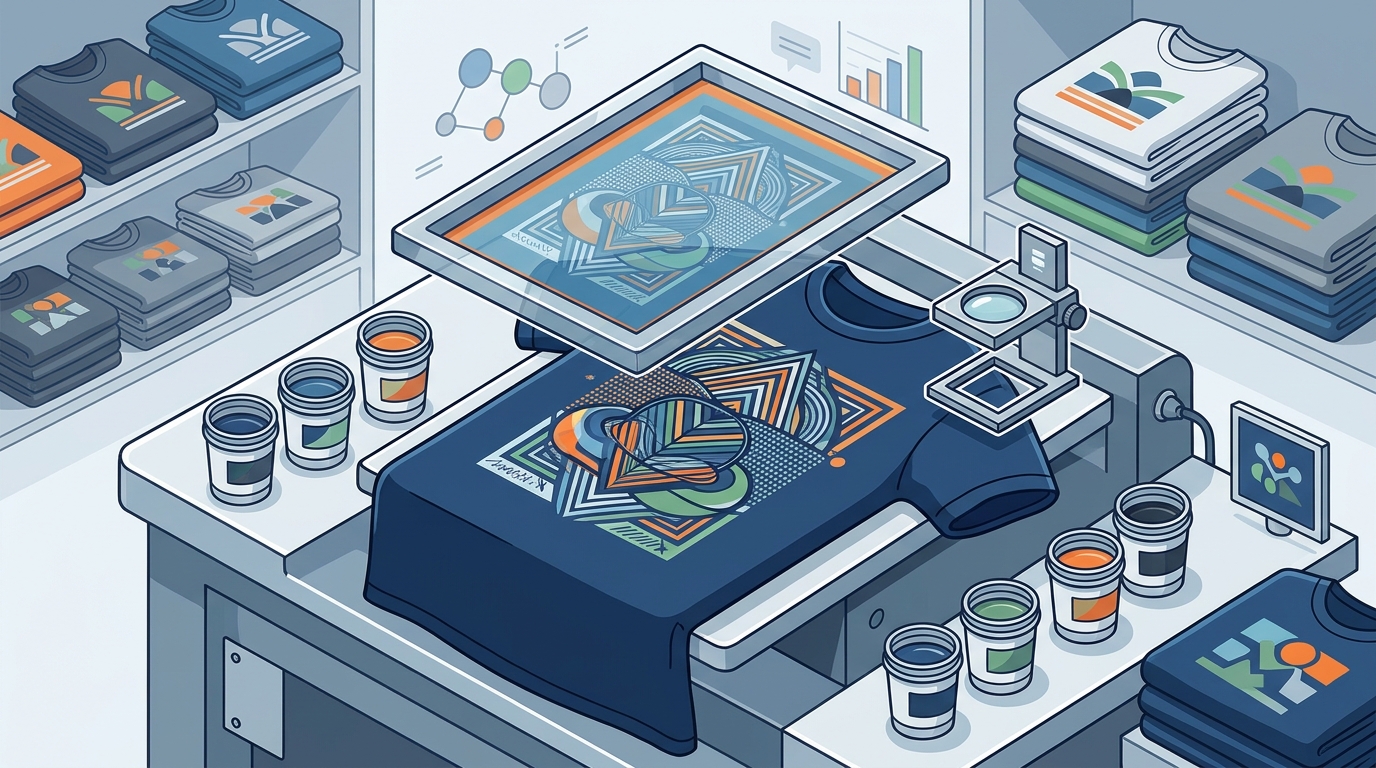
The number of colors in your design directly impacts both artwork preparation and printing costs. Each distinct color in a design requires a separate screen and a separate pass through the press. This process is known as color separation. Color separation is the technical process of breaking a multi-color design into individual layers for printing. For additional details, review the Frequently Asked Questions.
Single-color designs are the most cost-effective option. They require only one screen and one printing pass. As you add colors, the cost increases linearly. A four-color design requires four screens and four passes. This multiplies the setup time and ink usage. For bulk orders, this factor becomes a major budget component. For additional details, review the About.
File Format and Preparation Standards
The format of your source files affects the speed and cost of preparation. Industry-standard formats include AI, EPS, SVG, and PDF. These formats are preferred because they are editable and scalable. A vector file is a digital image that can be resized without losing quality. This makes it ideal for screen printing workflows.
Raster formats like JPG, PNG, and BMP are common but require additional work. Our team must manually trace these images to create clean vector paths. This process is time-consuming and adds to the cost. The more detailed the raster image, the longer the tracing process takes. This is why we always recommend providing vector files when possible.
Turnaround Time and Rush Fees
Time is a critical factor in artwork preparation costs. Standard turnaround times allow our team to schedule work efficiently. Rush orders require immediate attention and often incur premium fees. Rush service is an expedited processing option that prioritizes your job over standard queue items. This service is available for clients with tight deadlines.
Bulk orders with complex artwork require more time for proofing and approval. Each color separation must be reviewed and approved before printing begins. This review process adds days to the timeline. If you need your shirts in under two weeks, expect to pay a rush fee. The implication is that planning ahead is among the most effective way to control costs.
For example, a school ordering 300 shirts for a homecoming event in three weeks will face higher costs than a school ordering the same quantity with a six-week timeline. The implication is that early planning allows for standard pricing and thorough quality checks. We encourage clients to start the design process as early as possible to avoid rush premiums.
Volume and Economies of Scale
Order volume significantly impacts the per-unit cost of artwork preparation. Fixed costs like file setup and screen creation are spread across more units in larger orders. This creates economies of scale. Economies of scale is a principle where the cost per unit decreases as production volume increases. This is a fundamental concept in bulk manufacturing.
Small orders of 50 shirts bear the full weight of setup costs. Large orders of 500 shirts distribute those costs over more units. The per-shirt price drops as volume increases. This is why bulk orders are more cost-effective per unit. The implication is that consolidating orders can save money for organizations with multiple groups needing apparel.
Key Takeaways
- Design complexity is among the primary driver of artwork preparation costs.
- Vector files are required for professional screen printing and reduce preparation time.
- Color count directly impacts printing costs through the separation process.
- Rush orders incur premium fees due to expedited processing requirements.
- Larger order volumes reduce per-unit costs through economies of scale.
- Providing clean, high-resolution source files can significantly lower total project costs.
- Planning ahead allows for standard pricing and thorough quality checks.
Frequently Asked Questions
What is among the most common file format for screen printing?
Vector formats like AI, EPS, and SVG are the most common and preferred formats for screen printing. These formats are scalable and editable, making them ideal for the printing process.
How does color count affect the price of custom shirts?
Each additional color in a design requires a separate screen and printing pass. This increases both the artwork preparation time and the printing cost per shirt.
Can I use a JPEG file for my bulk order?
Yes, but it will require manual tracing to convert it into a vector format. This adds time and cost to the preparation process. We recommend providing vector files when possible.
What is a rush fee in screen printing?
A rush fee is a premium charge for expedited processing. It prioritizes your job over standard queue items to meet tight deadlines.
How does order volume affect the cost per shirt?
Larger order volumes reduce the per-unit cost of fixed expenses like file setup and screen creation. This is known as economies of scale.
Does Skyy Screen Printing offer free shipping?
Conclusion
Understanding the factors that affect custom artwork costs is essential for budgeting your bulk apparel project. Design complexity, color count, file format, turnaround time, and order volume all play a role in the final price. By providing clean vector files, simplifying color palettes, and planning ahead, you can control costs effectively. Skyy Screen Printing is committed to providing transparent quotes and high-quality results for your organization. today to discuss your project and receive a detailed estimate. Learn more: skyyscreenprinting com.